
The Fear of Repeating Parents
After We FellHardin and Tessa observe their parents’ damaged relationships and struggle to believe they can choose a different pattern without denying the similarities.
increasing Bearing strength in each event
 decreasing
Bearing strength in each eventdecreasingTessa’s Childhood Scene
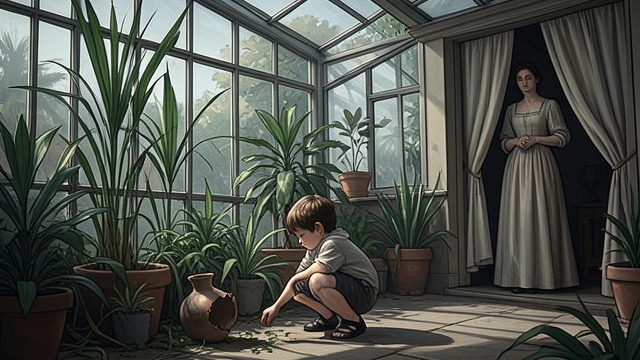
Tessa’s Childhood Scene
A child’s refuge
Tessa remembers hiding in a greenhouse while Richard and Carol argued and dishes broke. She contrasts her fantasy of a perfect family with the home she actually knew.
A lasting template
The memory makes conflict feel familiar to Tessa long before she recognizes its influence. It establishes her longing for stability and her fear of abandonment.
Hardin’s Absent Father
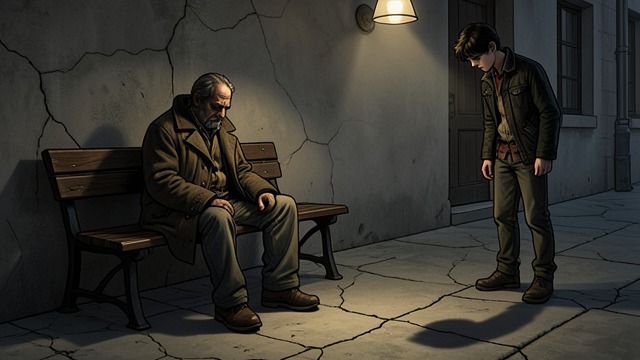
Hardin’s Absent Father
Anger shaped by absence
Hardin tells Ken that growing up without a present father left him without a model for handling love and anger. He believes his own destructive behavior is partly inherited.
Responsibility remains personal
Ken accepts guilt, but Hardin must still decide how to act now. The conversation avoids treating childhood pain as an excuse for hurting Tessa.
Carol’s Warning

Carol’s Warning
A mother recognizes a pattern
Carol says she once hoped Richard would change and lost herself waiting for it. She fears Tessa may repeat the same sacrifice with Hardin.
Experience versus certainty
Her account gives Tessa a serious reason to consider the risk. It does not prove that Hardin and Richard are identical or that Tessa must choose the same ending.
The Unregistered Marriage
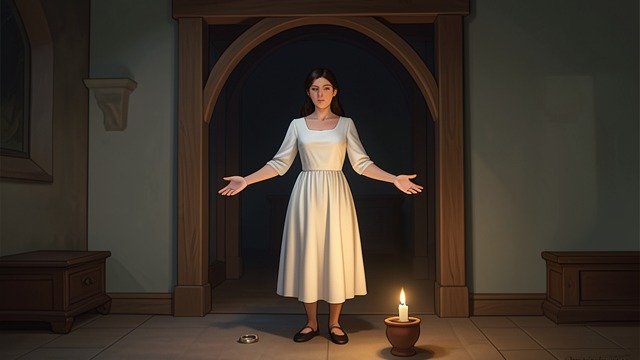
The Unregistered Marriage
A promise without legal form
Carol reveals that she and Richard had a wedding but never legally married. She had hoped the ceremony would make their unstable relationship secure.
A warning about symbols
The revelation complicates Tessa’s idealized view of marriage. A ceremony alone did not change Richard’s behavior, leaving Tessa to consider what commitment must mean beyond appearance.
A Different Choice, Not a Guarantee
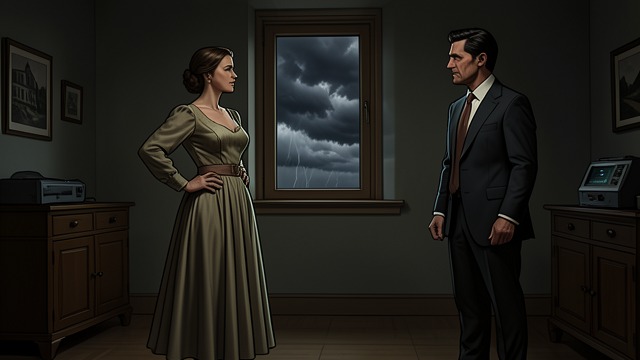
A Different Choice, Not a Guarantee
Similarities acknowledged
Tessa admits that Hardin’s temper resembles Richard’s in some ways, but insists that she is not Carol and that Hardin is not her father. She wants to assess the relationship on its own terms.
The future remains uncertain
Her confidence does not erase the risk of repeating familiar patterns. The novel asks whether people can change through accountability rather than simply promising they are different.
Recalled during the prologue
During Hardin’s conversation with Ken
During the late-night conversation in the former apartment
During Carol and Tessa’s conversation
After the Hampstead family crisis
